Revitalize Your Space: Top Painting Services to Improve Your Home's Aesthetic
Transforming a house through painting can significantly improve its visual allure. The option of colors is important in defining tone and perception. Professional painting teams offer a wide range of procedures adapted to unique styles. Understanding these options and their implications is essential. As homeowners consider a transformation, doubts about budgeting and planning surface. What considerations will lead to a successful project? The answers may surprise you.
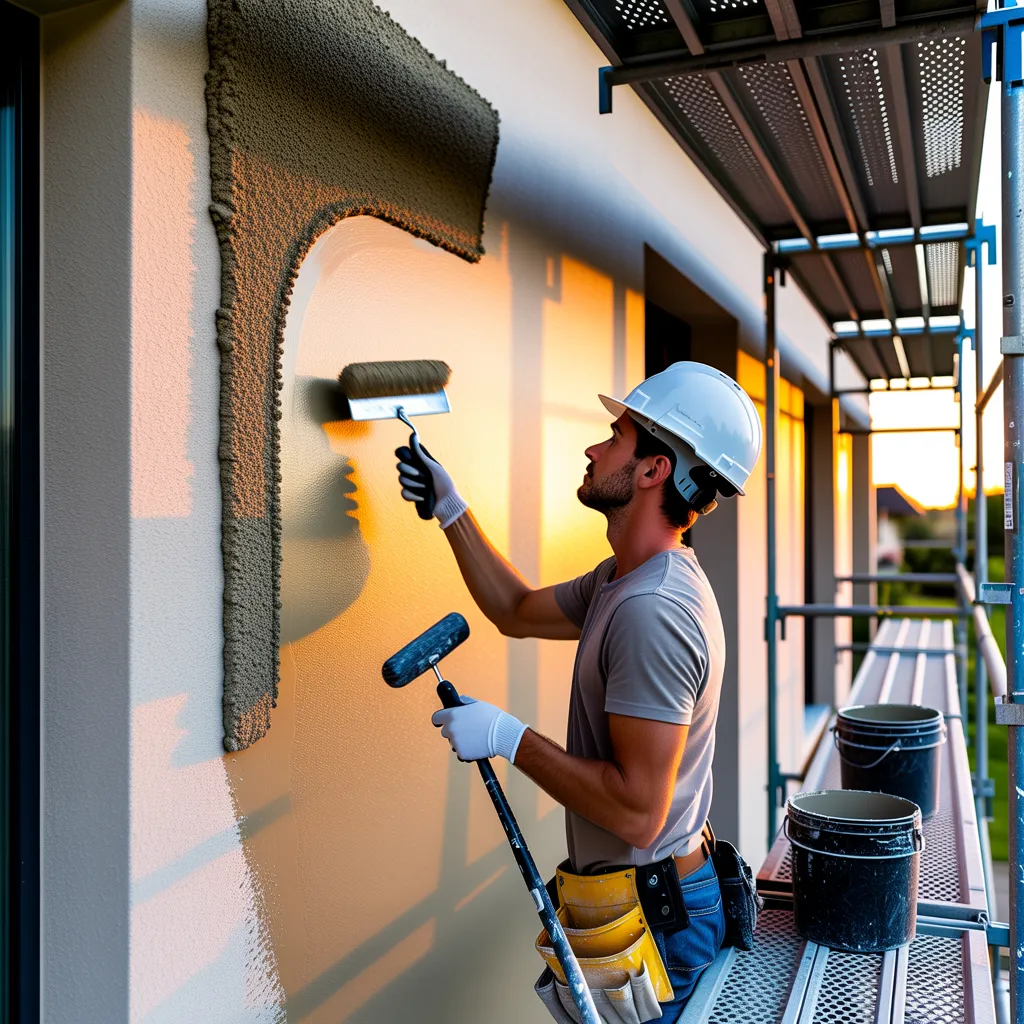
Recognizing the Consequence of Color on Disposition and Space
How might shade determine one's perception of setting and passions? Colors play an essential purpose in establishing human events and feelings. For instance, intense pigments like red and orange can evoke energy and friendliness, making a room strike one as inviting. In contrast, soothing shades such as blue and green often promote quietude and relaxation, magnifying the perception of locale.
The preference of color can also affect the mood of residents. Bright shades may foster creativity and joy, while deeper colors can generate a sense of coziness or melancholy. Additionally, lighter colors tend to bounce back more light, making rooms appear larger and more open, while darker shades can establish an warm setting. Therefore, understanding the psychological effects of color helps people make educated choices when designing their living environments, ultimately boosting well-being and contentment.
Determining the Most Appropriate Paint Service to Meet Your Needs
Selecting an appropriate painting service can substantially influence the result of a home renovation. Property owners should start by assessing their particular needs, encompassing the scale of the undertaking and desired finishes. Researching nearby paint companies is crucial; feedback and testimonials can provide understanding into a company's dependability and quality of work.
Furthermore, prospective clients should ask for quotes to compare pricing and services provided. This step helps in understanding what is covered, such as prep work, materials, and guarantees. It is also recommended to ask regarding the painters' experience and whether they are licensed and insured, guaranteeing peace of mind during the project.
Finally, clear communication is essential. A reputable painter should be responsive to inquiries and needs, fostering a cooperative setting that reflects the homeowner's vision. By thoughtfully assessing these aspects, homeowners can choose a painter that fulfills their aesthetic goals and budget.
Popular Art Techniques to Elevate Your Home
Throughout the arena of home painting, sundry techniques can notably amplify aesthetic appeal. Accent walls, faux finishes, and color blocking extend unique ways to modify spaces and reflect personal style. Contemplating these options can establish a more vibrant and inviting home environment.
Accent Wall Style Suggestions
Accent walls have grown an ever more popular way to add richness and personality to interior spaces. Homeowners are trying various ideas to make a distinct impression, often using bold colors or unique patterns. One popular method is the inclusion of geometric shapes, which can create a current and dynamic feel. Alternatively, nature-inspired tones can bring tranquility, making spaces feel calm and inviting. Textured finishes, such as shiplap or brick, can also add visual dimension and coziness. For a sophisticated touch, metallic paints can provide an refined sheen, upgrading the overall decor. These design choices not only boost the aesthetic but also reflect the homeowner's personal style, making accent walls a versatile option for modern interiors.
Artificial Surface Methods
Faux finish styles come in a variety that can turn ordinary walls into stunning focal points that replicate pricier materials. Techniques like sponging, ragging, and venetian plaster produce the appearance of texture and depth, enhancing visual appeal. For example, sponging entails applying a base coat, followed by a different color using a sponge, which yields a soft, layered effect. Conversely, rag rolling uses a rolled-up rag to create a distinctive pattern, adding personality to any room. Venetian plaster gives a elegant finish, frequently seen in upscale interiors. By using these methods, homeowners can get a rich look without the high cost, rendering faux finishes a favored choice for enhancing home decor.
Color Partitioning Tactics
Color blocking frequently captures attention in modern interior design, providing a bold way to establish spaces and showcase individuality. This technique entails using two or more opposing colors in a single area, generating visual interest and a dynamic atmosphere. Homeowners can utilize color blocking deliberately, such as painting an accent wall or dividing walls into geometric sections. Choosing complementary colors improves the overall aesthetic, while choosing shades from the same palette can create a more subtle effect. It's essential to take into account room size and lighting, as these factors influence how colors interact. By implementing color blocking, homeowners can transform mundane walls into striking focal points, elevating their home's aesthetic and personal style.
Sustainable Painting: Eco-Friendly Choices You Should Think About
Many property owners are increasingly searching for eco-conscious paint solutions that reduce ecological footprint while improving the aesthetic appeal of their homes. Green paints, such as water-based and low-VOC (volatile organic compounds) types, are becoming increasingly popular. These selections lower toxic fumes and promote healthier indoor air quality.
Organic pigments, derived from minerals and plants, provide vibrant colors free from synthetic additives, catering to those who prioritize organic materials. Additionally, recycled and repurposed paint products are becoming more accessible, allowing for innovative applications without compromising sustainability.
Beyond paint, utilizing eco-conscious tools, such as bamboo brushes and rollers made from recycled materials, effectively promotes green practices. Homeowners are urged to consider the lifecycle of their chosen products, selecting those that offer durability and longevity. By selecting sustainable painting options, individuals not only improve their home's aesthetic but also work favorably to environmental preservation.
Methods to Budget for Your Painting Project
Selecting environmentally friendly paint options is only one element of transforming a home. Managing finances effectively for a painting project is just as important. Homeowners should start by reviewing the scope of the project, which includes measuring the areas to be painted and determining the number of rooms involved. Then, they should research the cost of materials, including eco-friendly paints and required supplies.
Labor charges can fluctuate significantly, so acquiring multiple quotes from local contractors is practical. It is critical to set up a contingency fund, typically 10-15% of the total budget, to offset unexpected expenses that may emerge during the project.
In conclusion, homeowners must highlight their choices detailed guide and control their finances suitably, verifying that key spaces receive adequate focus while sustaining budget discipline. By meticulously organizing and reviewing all considerations, homeowners can realize a stunning makeover without exceeding their budget.
Essential Inquiries to Ask Your Paint Contractor?
When hiring a painting contractor, homeowners often wonder what key questions can help guarantee an informed decision. Asking about the contractor's qualifications and experience is vital; inquiring how many comparable projects they have completed can show their competency. Homeowners should also ask for clarification on the types of paint and materials they advise, as high-grade materials can greatly influence the project's longevity. It’s crucial to review the project timeline and the expected start and completion dates. Additionally, being informed about the contractor's payment structure, including any upfront costs and last fees, can help prevent confusion. Homeowners should not hesitate to request references or examples of past work, making sure they are comfortable with the contractor's style and reliability. Finally, discussing warranty options and the extent of after-service can provide assurance, ensuring the project is safeguarded for years to come.
Mapping Out Your Paint Endeavor: Hints for a Trouble-Free Situation
Planning a paint undertaking can seem challenging; however, with thorough preparation and organization, homeowners can guarantee a smooth experience. First, selecting the right color is important; employing color swatches can help picture the finished look. Next, it is necessary to move out furniture and decorations to facilitate easy access and protect belongings from paint splatters.
Property owners should also consider the timing of the undertaking. Scheduling during favorable weather conditions can strengthen paint adhesion and drying period, particularly for external work. Additionally, making a structured schedule for the project can maintain progress.
In conclusion, finding quality materials is indispensable. Committing to high-quality paint and tools can substantially impact the quality and lifespan of the job. By using these recommendations, inhabitants can optimize their painting project, improving their surroundings smoothly while savoring the process.
Frequently Raised Questions
How Much Time Does a Typical Home Painting Project Require?
A conventional residential painting project ordinarily takes 3 to 7 days approximately, depending on factors including the size of the space, the number of rooms, and the complexity of the painting work involved.
What Varieties of Paint Textures Are In Stock?
Numerous finish types are obtainable, including matte, eggshell, satin, semi-gloss, and gloss. All finishes provide distinct characteristics, impacting durability and sheen, allowing homeowners to select based on their visual preferences and functional needs.
May I Stay in My House Throughout the Painting Project?
Yes, one can remain at home during the painting process. However, it may be wise to maintain distance from the work area to prevent fumes and guarantee a smooth workflow for the painters.
How Can I Prepare My Space for a Painting Project?
Readying a home for paint work requires that one clear furniture, protect floors, clean surfaces, repair any damage, and tape edges. Proper ventilation and arranging supplies enable a more efficient painting experience.
What occurs if I'm not satisfied with the outcomes?
If disappointment occurs, the homeowner should communicate concerns with the painting service. Many trusted companies provide refinements or adjustments to satisfy expectations, guaranteeing a satisfactory outcome and upholding their commitment to quality customer service.